
Hormone replacement therapy doesn’t have to mean remembering a pill, applying a cream every day, changing a patch, or giving yourself injections.
For some patients, there’s another option: hormone pellets.
Hormone pellets are tiny implants that sit just under the skin and slowly release hormone over several months. They can make hormone replacement more convenient while providing steady hormone delivery without daily or weekly dosing.
But what exactly are hormone pellets, how do they work, and how do they compare with injections, creams, or patches?
Here’s what to know.
What Are Hormone Pellets?
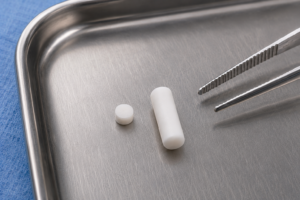
Hormone pellets are small, solid implants, usually around the size of a grain of rice, that contain a prescribed dose of hormone.
During a short office procedure, a healthcare provider places the pellets beneath the skin, usually in the fatty tissue around the upper buttock or hip. The pellets then gradually dissolve and release hormone into the bloodstream.
Depending on the treatment plan, pellets may contain testosterone or estradiol.
Men may use testosterone pellets as one form of testosterone replacement therapy, or TRT. Women may also use hormone pellets as part of an individualized hormone replacement therapy plan.
How Do Hormone Pellets Work?
Think of pellets as a slow-release hormone delivery system.
Instead of taking medication every day or giving yourself an injection once or twice a week, the pellet remains beneath the skin and gradually releases hormone.
The goal is to maintain hormone levels over a longer period without the frequent dosing required by some other forms of HRT.
Over time, your body absorbs the pellet as it dissolves.
How Long Do Hormone Pellets Last?
This is one of the biggest reasons patients become interested in pellets.
Hormone pellets generally last several months, although the exact timing varies from person to person.
Your dose, hormone levels, metabolism, body composition, activity level, symptoms, and type of pellet can all affect how long the treatment lasts.
Rather than replacing pellets on the exact same schedule for everyone, your provider can consider how you’re feeling along with your follow-up laboratory results.
What Is Hormone Pellet Insertion Like?
Pellet insertion is a quick, simple procedure performed right in the office.
First, your provider numbs a small area around the upper buttock or hip with local anesthetic. Next, they make a tiny opening in the skin and place the pellet or pellets into the fatty tissue just beneath it.
After insertion, your provider covers the area with a bandage. You’ll need to take it easy and avoid strenuous lower-body exercise for a short time, usually about 1–2 days, while the area heals.
The pellets sit completely beneath the skin, so nothing sticks out. Once the insertion site heals, most patients don’t feel or notice the pellets during everyday activities.
What Are the Benefits of Hormone Pellets?
For the right patient, the biggest advantage is simple:
You don’t have to think about your hormones very often.
That can feel especially appealing if you’re tired of remembering medications or don’t love needles or daily creams.
Potential advantages include:
- Months between treatments
- No daily pills, creams, or gels
- No weekly or twice-weekly injections
- Less medication to pack when traveling
- Gradual hormone delivery
- No risk of accidentally transferring topical testosterone to a partner or child
If you already know you do well on hormone therapy and want a more hands-off treatment option, pellets may be worth considering.
What Are the Downsides of Hormone Pellets?
The biggest tradeoff with pellets is that once they’re placed, they’re there.
Unlike an injection, cream, or patch, you can’t easily lower the dose or stop treatment if your needs change. The pellet will continue releasing hormone as it slowly dissolves over the next several months.
For that reason, pellets often make the most sense once you and your provider have already found a stable hormone dose that works well for you. Your provider should have a good understanding of how you respond to hormone therapy before choosing your pellet dose.
Pellet insertion also requires a minor procedure, which can cause temporary bruising, tenderness, bleeding, infection, or, rarely, pellet extrusion.
The tradeoff is simple: pellets offer more convenience, but less flexibility.
Are Hormone Pellets Bioidentical?
Some are. At Flow Wellness, they are.
Bioidentical hormones have the same molecular structure as the hormones your body naturally produces. Our compounded pellets contain bioidentical testosterone or estradiol and are customized based on your individual treatment plan.
Hormone Pellets vs. Injections: What’s the Difference?
Both can deliver testosterone, but the experience is very different.
Testosterone injections offer much more flexibility. Your provider can adjust the dose and frequency based on symptoms, laboratory results, and side effects.
Testosterone pellets trade some of that flexibility for convenience. Once you establish a dose that works well, you may go 6 months without thinking about your testosterone treatment.
Neither option works best for everyone.
If you’re brand new to testosterone therapy and still figuring out your ideal dose, an easier-to-adjust form of testosterone may make more sense at first.
If you’re already doing well on TRT but don’t want to continue frequent injections, pellets may become more appealing.
Hormone Pellets vs. Creams or Patches
Creams, gels, and patches avoid the need for a minor procedure.
They also make it easier to adjust or stop treatment when needed.
However, topical medications require regular use. Testosterone creams and gels also require precautions to prevent medication from transferring from your skin to another person.
Pellets eliminate the daily routine, but they require an in-office procedure and offer less flexibility after insertion.
For many patients, the decision comes down to convenience versus flexibility.
Can Women Get Hormone Pellets?
YES. Both estradiol and testosterone pellets are available for women.
Because women need only a fraction of the testosterone dose used for men, women’s testosterone pellets are much smaller. Estradiol pellets are also quite small.
Women typically need new pellets about every 3–4 months. The exact timing depends on the dose, symptoms, laboratory results, and how quickly your body metabolizes the hormones.
At Flow Wellness, we personalize the hormone, dose, and timing based on your individual needs and goals.
Can Men Get Testosterone Pellets?
Absolutely. Testosterone pellets can be a great option for men who want a lower-maintenance approach to TRT.
Men typically receive larger testosterone pellets and higher total doses than women. The pellets gradually release testosterone over time and typically last around 5–6 months or longer.
That means no weekly injections, daily creams, or remembering another medication.
Pellets can be especially appealing for men who already have a stable testosterone dose that works well and simply want a more convenient way to continue TRT.
Can Hormone Pellets Be Removed?
Not really. Hormone pellets are designed to stay in place and slowly dissolve over time.
Unlike a patch, cream, or injection, you can’t simply stop or adjust your dose once your provider inserts the pellets. While surgical removal may be possible in unusual circumstances, pellets are not intended to be removed.
That’s why we typically recommend pellets once you and your provider have established a stable hormone dose that works well for you.
If you’re still adjusting your dose or figuring out how your body responds to HRT, a more flexible option may make more sense first.
Do Hormone Pellets Cause Weight Gain?
Hormone pellets are not weight-loss medications, and they don’t automatically cause weight gain. They’re simply a way to deliver hormone therapy.
In fact, when HRT or TRT helps restore hormones to healthier, more optimal levels, some patients notice improvements in body composition, muscle mass, energy, sleep, and metabolism, which can make maintaining a healthy weight easier.
The key is balance. Too much or too little of a hormone can work against your goals.
Whether you use pellets, injections, creams, or patches, the goal is the same: find the right hormone levels for your body and monitor how you feel and respond over time.
Who Is a Good Candidate for Hormone Pellet Therapy?
Pellets may be worth discussing if you:
- Already use hormone replacement therapy
- Want a lower-maintenance treatment option
- Don’t want to give yourself injections
- Struggle to remember daily medications
- Travel frequently
- Have already established a hormone dose that works well
- Understand the benefits and limitations of long-acting treatment
Pellets may make less sense if your dose is still changing frequently or if you want the ability to quickly adjust or stop treatment.
Are Hormone Pellets Better Than Other Types of HRT?
Not necessarily.
And that’s actually the point.
Good hormone replacement therapy isn’t about finding the “best” product. It’s about finding the best delivery method for you.
You might love the flexibility of injections.
Another patient may prefer a cream or patch because they want something easy to adjust.
For someone else, the convenience of handling hormone treatment only a few times each year may matter most.
At Flow Wellness, we’ll help you compare the options based on your symptoms, laboratory results, lifestyle, medical history, and goals.
Because your hormone treatment should fit your life, not the other way around.
Interested in hormone pellet therapy? Schedule a Hormone Replacement Therapy consultation at Flow Wellness to learn whether pellets, injections, creams, patches, or another treatment option makes the most sense for you. Pellet placement appointments are typically available within a week!

11 Things to Know Before Taking Tadalafil or Sildenafil
Erectile dysfunction (ED) affects millions of men, yet many wait months or even years before talking to a healthcare provider. Don’t let that be you.

Can I Take Hormone Replacement Therapy (HRT) and Tirzepatide at the Same Time?
Yes—and for many women, it’s one of the smartest combinations for long-term success. If you’re taking tirzepatide, or thinking about starting it, there’s a good

Testosterone Replacement Therapy Timeline: What to Expect Week by Week
Most men notice initial improvements in energy and mood within 2-4 weeks of starting TRT, with libido and sexual function following by weeks 3-6. Body