Peptide Therapy the Way It Should Be: Physician-Led, & Personally Designed
Peptide Therapy in Bend, Oregon and Seattle, Washington
Peptide therapy has become one of the most talked-about tools in proactive health optimization. At Flow Wellness, our physician-supervised peptide therapy program goes well beyond handing you a protocol and sending you on your way. Whether you visit us in person at our Bend or Seattle clinics, or connect with our clinical team via telehealth across Oregon, Washington, or California, peptide therapy at Flow Wellness is built around your health picture, your goals, and your biology.

2025 & 2026 Nominee for Best Wellness Center
What Is Peptide Therapy?
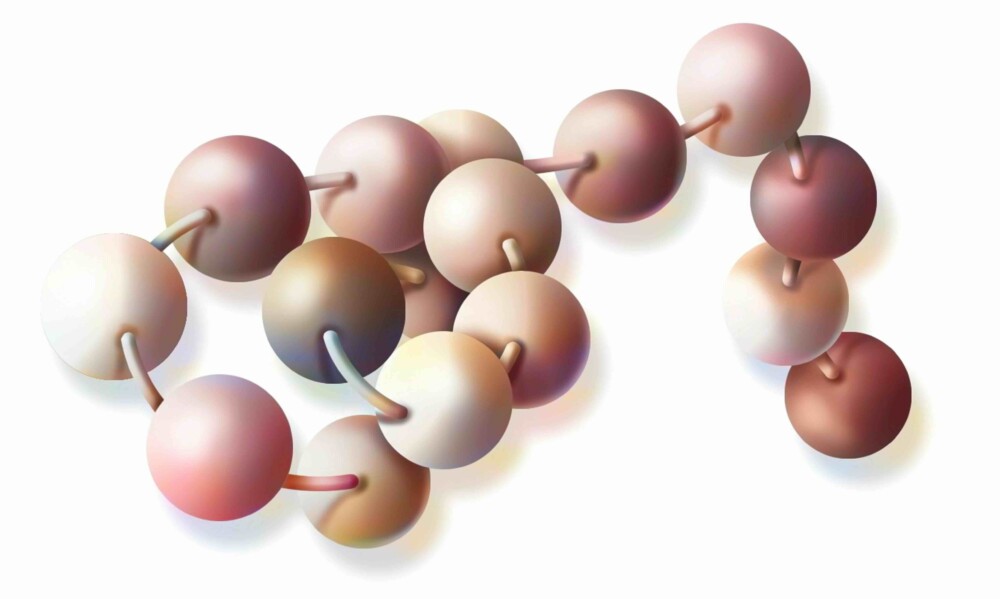
Peptides are short chains of amino acids, the same building blocks your body uses to produce hormones, signal cellular repair, regulate immune function, and coordinate dozens of other biological processes. As we age, the natural production of certain signaling peptides declines, and that decline can contribute to fatigue, slower recovery, changes in body composition, and a general sense that your system is no longer running the way it used to.
Peptide therapy works by supporting and restoring these signaling pathways. Think of it less like adding a foreign substance and more like giving your body a carefully calibrated reminder of what it already knows how to do. The category spans a wide range of applications, from supporting lean muscle mass and metabolic health to promoting cellular recovery, cognitive function, and immune resilience.
At Flow Wellness, we take a clinical, educational approach to peptide therapy. Our protocols are designed and supervised by Dr. Kevin Jones, MD, and are tailored to each patient based on your health history, wellness goals, and optional body composition and lab testing. No generic kits. No one-size-fits-all stacks. Every protocol starts with a full clinical picture.
Who Is Peptide Therapy For?
Peptide therapy at Flow Wellness is for active people who want to proactively support healthy aging, performance, and overall well-being – especially when standard care hasn’t fully addressed their goals.
Common reasons patients at our Bend and Seattle clinics explore peptide therapy include:
- Persistent fatigue that does not resolve with rest or lifestyle changes
- Difficulty maintaining or building lean muscle mass despite consistent training
- Slowed recovery from exercise or injury
- Brain fog, reduced mental clarity, or cognitive sluggishness
- Changes in body composition, particularly increased visceral fat and reduced muscle tone
- A broader interest in longevity, metabolic health optimization, and healthy aging

Peptide therapy also integrates naturally with other services at Flow Wellness. Many of our patients are already in our GLP-1 Medical Weight Loss and Microdosing program and add peptide protocols to support muscle preservation during weight loss. Others combine peptide therapy with Hormone Replacement Therapy or Testosterone Replacement Therapy to address multiple dimensions of hormonal and metabolic health simultaneously. Our Longevity and Wellness program integrates all our services for maximal health benefits.
Peptide Therapy Near You: Bend, Seattle, and Telehealth Across the Pacific Northwest

In-Person Peptide Therapy in Bend, Oregon
Our Bend clinic in the Old Mill District serves as the clinical home base for Flow Wellness. In-person peptide therapy patients in Bend benefit from direct access to their clinician on-site as well as Evolt Body Composition Scans to track changes in skeletal muscle mass and visceral fat. Patients traveling from Redmond, Sisters, and throughout Central Oregon make the drive to Bend for the level of physician-led oversight our clinic provides.
In-Person Peptide Therapy in Seattle, Washington
Our Seattle clinic, located in South Lake Union, brings the same physician-supervised peptide therapy model to the Pacific Northwest’s largest city. Seattle-area patients have access to in-person consultations with our clinical team as well as body composition monitoring. Patients from Bellevue, Kirkland, Redmond, and Tacoma regularly visit our Seattle clinic.

Peptide Therapy via Telehealth in Oregon, Washington, and California
You do not need to be in Bend or Seattle to work with Flow Wellness. Our medically supervised telehealth program extends peptide therapy access to patients throughout Oregon, Washington, and California. The clinical process is the same: a comprehensive initial consultation, an optional lab review, a customized protocol, and ongoing provider check-ins with unlimited direct messaging between appointments. Telehealth peptide therapy through Flow Wellness delivers the same standard of individualized care in a more accessible format.
How Peptide Therapy Works at Flow Wellness
Step One: Initial Consultation
Your first step is a consultation with one our experienced clinicians. This conversation covers your health history, your current symptoms, your goals, and whether peptide therapy is the right tool or if another treatment may be better suited for your goals. The consultation is a one time fee of $149.
Step Two: Optional Lab Testing and Health Assessment
Effective peptide therapy starts with understanding your health. We can review existing labs or order new testing to help personalize your protocol, though labs are not required. We also recommend a body composition scan to analyze your muscle mass, visceral fat, and biologic age.
Step Three: Customized Protocol Design
Your provider will design a protocol specific to your needs and goals. Dosing, frequency, and the specific approach are all calibrated to you.
Step Four: Ongoing Monitoring
Peptide therapy is not a one-time intervention. It is an ongoing, monitored process. Flow Wellness patients receive monthly provider check-ins, either in person at our Bend or Seattle clinics or virtually via our telehealth platform. Unlimited direct messaging keeps the clinical team accessible between appointments. Body composition scans provide feedback on skeletal muscle mass, visceral fat and biologic age. Protocols are adjusted as your body responds and your goals evolve.
Why Physician Supervision Matters for Peptide Therapy
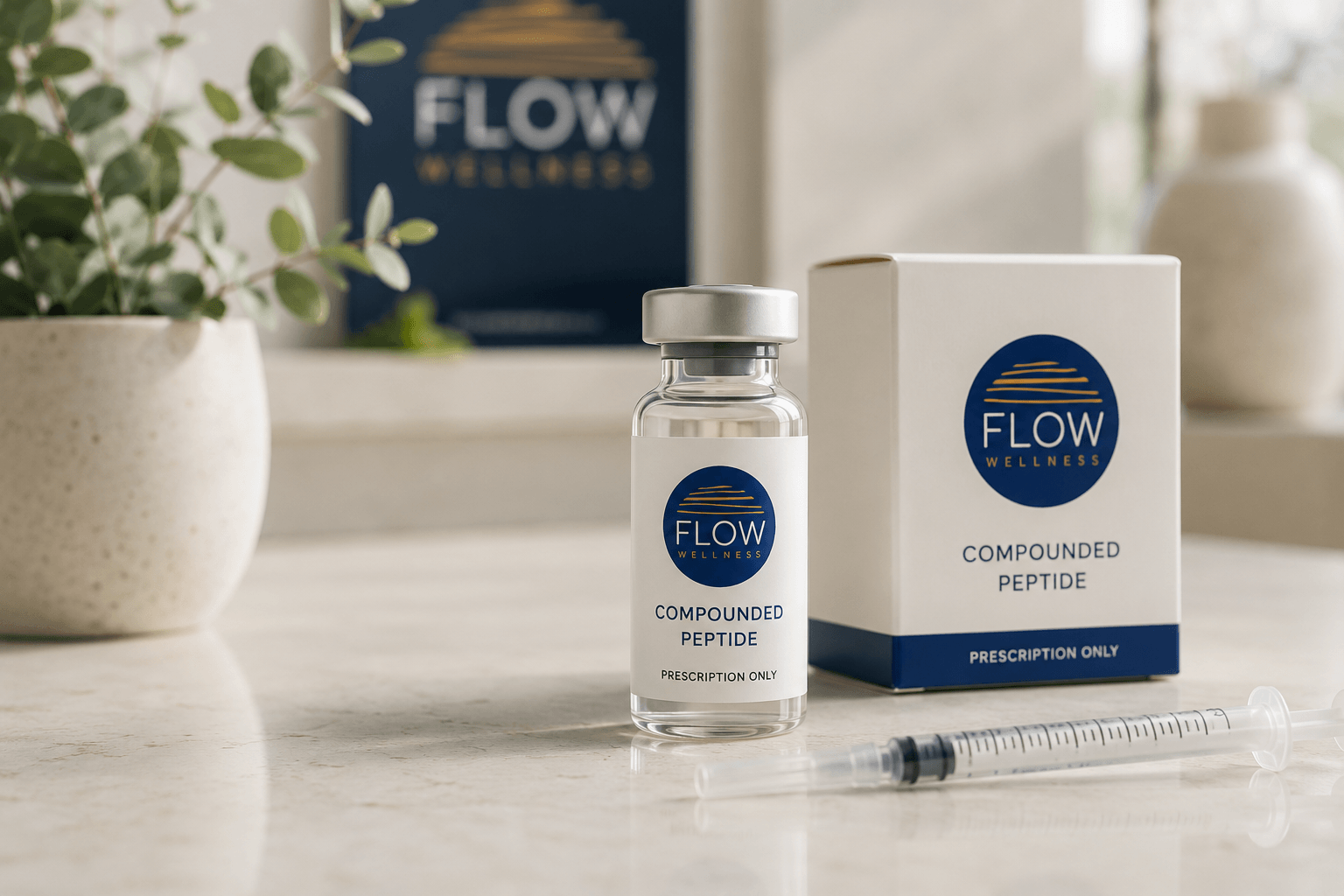
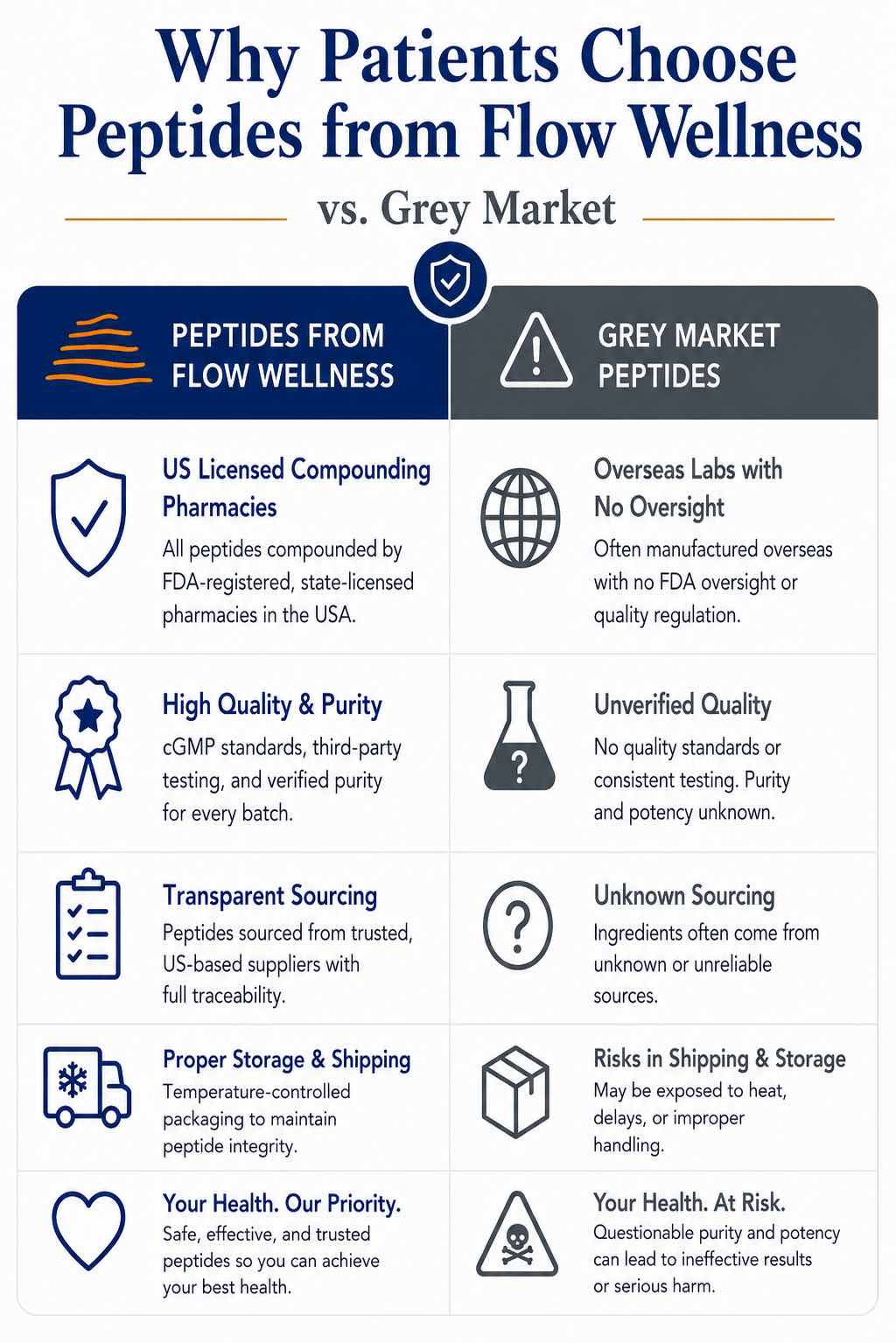
The peptide therapy category has grown rapidly, and with that growth has come a wave of online providers offering compounds with little to no clinical oversight. Flow Wellness is LegitScript certified, which represents a third-party verification of our compliance standards as a physician-led telehealth and wellness practice. We also source our peptides from US based licensed 503(a) compounding pharmacies.
Flow Wellness has been recognized as a Best of Bend 2025 Winner and named one of the Three Best Rated Weight Loss Centers in Seattle 2025. We are members of the Seeds Scientific Research & Performance Institute (SSRP) and the American Academy of Anti Aging Medicine (A4M).
Peptide Therapy as Part of a Broader Wellness Strategy

One of the things that makes Flow Wellness different from a standalone peptide clinic is that peptide therapy here lives within a comprehensive clinical model. It is one tool in a larger toolkit that includes GLP-1 Medical Weight Loss and Microdosing, Hormone Replacement Therapy and Testosterone Replacement Therapy, IV Therapy at our Bend location, Ketamine Therapy, body composition monitoring, and personalized supplement recommendations through our Fullscripts program.
Peptide therapy can complement GLP-1 weight loss or hormone optimization to support body composition, muscle preservation, and overall wellness. Our comprehensive longevity and wellness consultations are designed to map out an integrated plan for your long term longevity and wellness.
This is proactive care. It is not reactive medicine. It is a clinical model built around where you want to be in five, ten, and twenty years, not just what is wrong right now.


5.0
5.0Top Rated Wellness ClinicVerified by TrustindexTrustindex verified badge is the Universal Symbol of Trust. Only the greatest companies can get the verified badge who has a review score above 4.5, based on customer reviews over the past 12 months. Read morePosted on Google
 Shelley Lewis-Leander5 days agoI was extremely impressed with Kerry, she explained and answered my concerns and questions. I felt very comfortable and supportive.Posted on Google
 Amy Margolis40 days agoVery professional, knowledgeable and extremely personable. Did not feel rushed and answered all my questions.Posted on Google
 Jenn Masse46 days agoI had questions, Jill had answers. I am really appreciative of the time Jill took with me to understand my background, validate how I was feeling, evaluate various options for care and chat about next steps. Thank you!Posted on Google
 Marti OI'Doherty55 days agoHad a very positive experience with Kerry. She answered all the questions I had. We went over my body composition scan. Loved their format. Easy to read and understand. Recommend Flow Wellness out of Bend Oregon. So glad I am using them for my weight loss journey and new life style changes.Posted on Google
 Jordan Schwartz55 days agoVictoria is the absolute best!! I have been thrilled with my experience so far and the attentiveness of this company.Posted on Google
 The Club Salon57 days agoGreat customer service the whole staff, Dr. Jones very easy to talk to and prompt on calls. Thank you.Posted on Google
 Hanna Drozd57 days agoAlways a pleasure to have a conversation with them. They are very accurate and professionalPosted on Google
 Joseph D'Angelo64 days agoExtremely professional and genuinely concerned about your health. I’m seeing Allison Jones now and she is excellent!Posted on Google
 Carol Manning67 days agoEveryone was so kind and very informative. I felt comfortable, feeling I was in good hands. I will be starting glp1 in a week, and so excited to see the results. Highly recommend!Posted on Google
 Colleen Lacter83 days agoThoughtful professionals. Extremely helpful!Posted on Google
 Gwendolyn Hamilton90 days agoVictoria was a dream to work with! I could not recommend her enough.Posted on Google
 Shelley Jones95 days agoFriendly and very knowledgeable staff!Posted on Google
 Marla Cummins98 days agoAll of the healthcare providers are very knowledgeable about the medication‘s being prescribed for weight loss. They also have a monthly publication that keeps us up-to-date on changes and new information regarding the medications. Kerry was my healthcare provider and she was Professional, empathetic, and knowledgeable. I was able to get a hold of her whenever I needed too with questions and concerns. She always responded promptly. I highly recommend Flow Wellness in Bend, Oregon.Posted on Google
 John Minor103 days agoGreat staff, comfortable environment, just signed up for monthy sessions ❤️Posted on Google
 Patrick Cabral127 days agoWhat a great business. I have been working with Flow Wellness for about 4 months and I find this company to be dedicated to the business of individual wellness. My treatment is managed by Holli Miller, FNP and it has been excellent. What I find refreshing is I have never been pushed on buying anything. Holli, like the Flow team provides me with options and recommendations which don't just focus on providing medicine but also lifestyle changes. They offer a host of services but again, never pushed. I feel comfortable in discussing my weight loss journey with the Flow team. If you read this, also check out the vast library of articles the Flow team have. I know weight loss is not just taking a shot and the Flow team with Holli don't just sell GLP-1s, they "provide" a plan and support for a successful wellness lifestyle. Highly recommend Flow to anyone. Even if you are just looking, there is NO pressure. Definitely worth a look.Posted on Google
 Adria Peet138 days agoVictoria Streetman was very helpful and professional! Looking forward to my Peptide journey!Posted on Google
 Angelina Anello-Dennee147 days agoI just did an initial intake and it was so lovely and thorough. I found the experience to be super welcoming, and gave me a lot of knowledge that I needed to make the decisions I wanted to make. Wonderful staff!Posted on Google
 Dennis Maddelein147 days agoVery positive first encounter with Flow Wellness. All the people I met were very courteous and attentive with a big smiles on their faces. I had my questions answered by Holly and I felt very comfortable. Happy to do business with flow wellness.Posted on Google
 chloe allen153 days agoGreat place! Everyone is so nice and very knowledgeablePosted on Google
 Katie Conner155 days agoVery nice relaxing place and all my questions answered and didn’t feel pressure in proceeding if I didn’t want to
Real Stories of Real Progress with Peptides
I’d been pretty sedentary and every time I tried to be more active, I’d tire out really fast. After starting the peptides, the change has been amazing! I’m running 4–5 miles now without struggling and pushing myself mentally like" just make it to the next block" etc. And I'm bouncing back after workouts so much quicker.
AJ
I really appreciate that the providers are real, trained locals, not some big online medication mill. Everything feels safe, personal, and trustworthy. I’m so glad I found this place!
Angelina
I decided to start peptide therapy, and I’m so glad I did. The process was smooth, and the providers made sure all my questions were answered before beginning. Since starting the peptides, I’ve been feeling great, more energized, focused, and overall balanced. I’ve noticed a real improvement in how I feel day to day.
Daniia
I truly appreciate the personalized approach and the supportive environment at Flow Wellness. I highly recommend them to anyone looking to improve their overall wellness with a team you can trust.
Dennis
They were very helpful and knowledgeable on the area that I was interested in. There’s never any pressure just facts and, when needed, sound consultation. Getting started was easy and some of the concerns I had were alleviated through the fact based consultation I had.
Ted
Doctor listens and spends time with you to personalize your program! Great to work with!
Jaci
I just had a great consultation at Flow. She answered all of my concerns and gave me as much time as I needed. She went over everything at length, and came up with the best option for me and my situation. Thanks!! I highly recommend!!
Karen
Flow Wellness has been amazing so far -- the providers are helpful and present throughout my care. They have an open communication style so I feel very comfortable with them and can ask any questions without feeling judged. Highly recommend!
Preston
I appreciate the staff at Flow Wellness . My wife and I had body scans and discussion of my medication. Very useful information and always so friendly and helpful
Loren
Victoria Streetman was very helpful and professional! Looking forward to my Peptide journey!
Adria

Medically reviewed by Kevin Jones, MD – Medical Director, Flow Wellness | Last reviewed August 2026
Related Peptide Resources

Are Peptides Legal in the U.S.?
Updated May 2026 to reflect current FDA and pharmacy compounding guidance Peptide therapy has become one of the fastest-growing areas in wellness and longevity medicine.

Repair Peptides
How Repair Peptides Support Recovery, Healing, and Whole-Body Wellness When your body is dealing with injury, overtraining, inflammation, aging, or everyday wear and tear, recovery

Growth Hormone Peptides Explained: Sermorelin vs Tesamorelin
Growth Hormone (GH) Analogs: What They Are, How They Work, and Which One Is Right for You A medical guide from Flow Wellness Growth hormone

Frequently Asked Questions
What is peptide therapy and how is it different from hormone therapy?
Does Flow Wellness name the specific peptides used in treatment protocols?
Can I access peptide therapy through Flow Wellness if I live outside of Bend or Seattle?
How long does it take to see results from peptide therapy?
Is peptide therapy safe, and how does Flow Wellness ensure quality and compliance?
Safety in peptide therapy depends heavily on clinical oversight, compound quality, and appropriate patient selection. Flow Wellness is LegitScript certified, which is a recognized third-party compliance standard for telehealth and wellness providers working with regulated and specialty compounds. Every peptide therapy protocol at Flow Wellness is designed and supervised by Dr. Kevin Jones, MD. We do not offer compounds without a legitimate clinical basis, and our ongoing monitoring process means that if something needs to be adjusted, we catch it and respond quickly.
How does peptide therapy fit with the other services at Flow Wellness?
If you are ready to find out whether peptide therapy is the right next step for your health, Flow Wellness makes it easy to start with no commitment. Book an initial medical consultation with our clinical team in Bend, Seattle, or via telehealth across Oregon, Washington, and California. The team will review your health history, talk through your goals, and give you a clear, honest picture of what peptide therapy could offer and how it fits within a broader plan for your long-term wellbeing. Less waiting. More living.
Peptide Overview from the Flow Wellness Medical Director
Key Takeaways From the Peptide Discussion
Peptides are short chains of amino acids that act like targeted “messages” to specific cells in the body.
Peptides are part of a more proactive “Medicine 3.0” approach focused on prevention, longevity, recovery, and improving health span.
Unlike hormones, peptides are designed to supplement what your body naturally produces rather than replace it.
Common goals of peptide therapy include:
Recovery support
Performance optimization
Muscle preservation
Improved sleep and energy
Skin and hair health
Visceral fat reduction
GLP-1 medications are peptides and are considered one of the biggest advances in obesity and metabolic health treatment.
Recovery-focused peptides may help support healing, inflammation recovery, blood vessel formation, and gut protection.
Performance peptides such as sermorelin may help stimulate natural growth hormone production to support recovery, sleep, and energy.
Tesamorelin is FDA-approved for visceral fat reduction in HIV patients and is sometimes used off-label in wellness medicine.
GHK-Cu is a commonly discussed “beauty peptide” associated with collagen, skin, and hair support.
Most peptides are administered as injections or dissolvable troches because stomach acid breaks them down if swallowed normally.
Most peptides are not FDA-approved for wellness or optimization purposes and are commonly prescribed off-label.
Quality and sourcing matter. Flow Wellness recommends avoiding black-market or “research peptide” websites and instead working with licensed healthcare providers and pharmacies.
Peptide therapy is highly individualized and is intended to support long-term strength, resilience, recovery, and overall wellness.
Transcript of Peptide Overview by Kevin Jones, MD
Let’s talk about peptides. Who hasn’t heard about peptides? They’ve become really well known with the GLP-1 medications. Those are peptides. And now the Internet, social media, your neighbor – everyone is taking additional peptides. Well, what are those? How can they help? Well, peptides help with targeted specific functions within the body.
And they’re part of what we call Medicine 3.0. And medicine 3.0 is really focused on individualized care, Longevity. And focusing on symptoms that improve your health span, not just making you live longer, but living healthier. Medicine 1.0, is back when you’re just observing things using herbal remedies, leeches, stuff like that.
Medicine 2.0 is the era that we’ve been in right now, which is excellent at treating disease as it develops. So if you get diabetes, we have treatments for it. If you get cancer, we have treatments for it. Of course, it’s not perfect. Medicine 3.0 is what can we do to prevent these things from happening? How do we prevent diabetes?
How do we prevent cancer? How do we prevent dementia? Peptides play a role in that. They’re, of course, not a perfect fix, however. That’s what we’re going to talk about today and give you some info about what peptides can do, how they can help and what they’re focused on. Well, who benefits from peptides?
Mainly people. As we get older, you know, we slow down our performance. Athletic performance goes down, our recovery takes longer, Injuries take longer to recover from. We want our skin to look healthy. We want to look like we did when we were 20. Well, we can work towards that.
Of course, we can’t get there completely, but peptides can play an important role in that. What peptides are, are short chains of, amino acids. Long chains of amino acids are proteins. We have both in our body. These short chains, however, are, Are like specific messages that get sent to cells.
Peptides are designed to supplement what your body naturally produces, not not replace them. This is different than taking hormones such as testosterone or estrogen have important roles in the body. However, peptides are very specific. The advantage of this is that you can go on peptides and go off of them.
You typically don’t have to monitor levels, though we do recommend checking some basic blood tests before starting peptide therapy. You can think of peptides as text messages that get sent from & to specific parts of your body to activate certain pathways.
Now, those pathways could be focused on recovery, could be focused on performance, could be focused on skin health. Think of peptides as a more targeted physiologic approach to health optimization. Now, the categories of peptides. Well, I mentioned GLP-1s for weight loss.
Very popular. Revolutionary. Honestly, I think it’s one of the most important drugs to ever come out. We finally have a cure to fix obesity, which leads to cancer, heart disease, stroke, you name it. It’s amazing. newer peptides, the ones at least are getting more popular in the news, have different focuses.
You know, when you exercise you’re tearing muscle fibers, recovering those and getting stronger. Other peptides are geared towards performance. These would be things like sermorelin. These peptides help your body produce growth hormone, which allows your body to recover faster.
That’s when you know, you think of a 14 year old who breaks a bone, they’re back running around in two or three weeks, they feel great. However, most people in this room break a bone, you’re out for two or three months. That recovery process is growth hormone mediated. Growth hormone allows your body to recover faster.
Peptides tell your brain to produce more growth hormone. They don’t replace it, just add to what you’re naturally producing. Added benefits of growth hormone production are often improved sleep. More energy at the gym and just overall feeling better, more energized during the day.
Another peptide is called tesamorelin. That’s Fda approved to promote visceral fat loss in HIV patients. Used off label for healthy patients. But that’s a very good peptide to help decrease the visceral fat, around our intestines/insides that can lead to heart disease and stroke.
Another common peptide that you’ll hear about in the news, especially with celebrities, is the beauty peptides. It’s a copper peptide that’s used in collagen production, skin and hair formation. Gives you that youthful appearance.
Now, how are peptides used? Because they’re amino acids. That’s what your stomach breaks down. Like when you eat meat, you’re eating proteins, which are amino acids. So we have to bypass the stomach. For peptides to be effective. That can be done mainly in two ways. Peptides can be done or taken as.
Either a troche, which dissolves underneath the tongue. But to be most effective, peptides need to be injected. That’s the GLP-1s, like the once a week shot, so very tiny needle. Some people have a lot of concerns about this. We’ve treated thousands of patients at our clinic with peptides. And once you do it once, it’s really easy.
It’s not that big a deal. But it does for most peptides involve an injection or at least a troche to take. Now, peptides, it’s important to note, Except for the GLP1s, are not FDA approved for the conditions that I’m talking about. Peptides are used off label.
Meaning that there’s limited study data. And this is always going to be the case because these medications are naturally occurring and have been around for decades. There’s no drug company that can patent these medications and make a lot of money off of it. That’s how, modern pharmaceuticals work, and it’s not going to happen with peptides.
So we’re never going to have these giant studies that show lots of safety. What we do have is a lot of anecdotal use. I mean, they’ve been around for decades finding good improvements and, And the FDA is looking at these. Some peptides are currently on a do not compound list. The peptides are made at compounding pharmacies because they’re very specific.
And with recent regulation changes. You may have heard about this in news. Some peptides will likely be added back to a list that’s allowed to be compounded. There are pharmacies that make variations of peptides, so you can basically get what you want. Right now, what we don’t recommend doing is buying off, Black market Internet sites because the quality can vary.
People can get really sick from that. We do recommend that you go see a healthcare provider. Talk about what you’re looking for. They can go over the risks and benefits. They can go over the dosing, any labs that you might want to monitor and just check on your progress. It’s well worth the money to spend time to do peptides correctly and safely.
After all, this is your body and you get what you pay for. So who can benefit from peptides? They’re mainly geared for people who just want to live life better. Maybe you need more energy to get through the day, or have a better workout or train for a race. Maybe you have a chronic injury that isn’t getting better.
For instance, I had tennis elbow for a year from. Exercising too hard, Basically, I’ve been to physical therapy. You know, modify my exercise routine. Nothing was getting better. I did a month of recovery peptide and that pain went away, and it’s been gone since. Now, of course, your mileage may vary. Not everyone has these sort of benefits, but this is what we’re hearing from our patients.
In summary, peptides are geared towards health optimization. So we’re basically trying to get you where you want to be in a personalized, individual way with medications that supplement what your natural body produces. This is about helping you feel strong, capable, and resilient over time and live the best life that you have while you’re here.
Disclaimer: Peptide use for wellness and longevity is not FDA approved. Benefits of peptides have not been evaluated by the FDA. These products are not intended to diagnose, treat, cure, or prevent any disease. Peptides must be obtained with a prescription by a licensed medical provider.