IV Ketamine: Your Questions, Answered
Ketamine Infusion Therapy FAQs: Everything You Need to Know At Flow Wellness, we believe that hope is powerful — and that healing is possible, even
Ketamine Infusion Therapy FAQs: Everything You Need to Know At Flow Wellness, we believe that hope is powerful — and that healing is possible, even
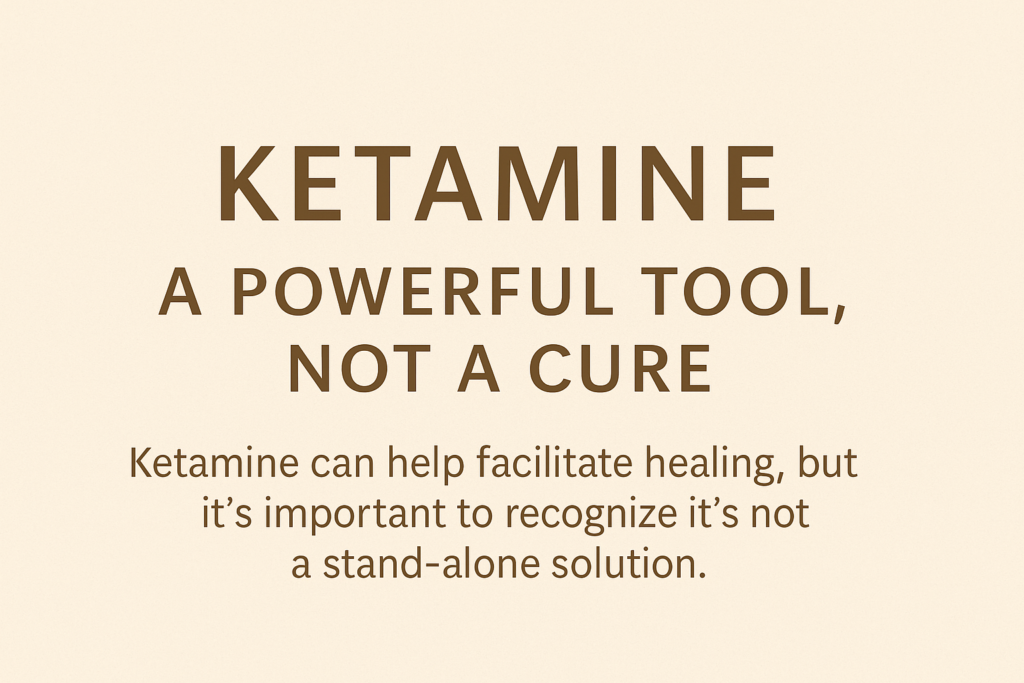
At Flow Wellness, we believe in being honest and transparent about what ketamine therapy can—and can’t—do. While ketamine can be life-changing for many patients, it’s

Supporting your healing, one step at a time Keep a Progress Journal Write a quick daily note about your mood or pain level Use a

At Flow Wellness, we want your ketamine treatment to be as comfortable, safe, and effective as possible. Here’s a step-by-step look at what you can

Mindset Matters: How Mindfulness Enhances Ketamine Therapy At Flow Wellness, we know that healing happens from the inside out—and your mindset plays a powerful role

The Science and Power of Present Moment Awareness In a world that rewards multitasking and constant planning, many people find it difficult to stay focused

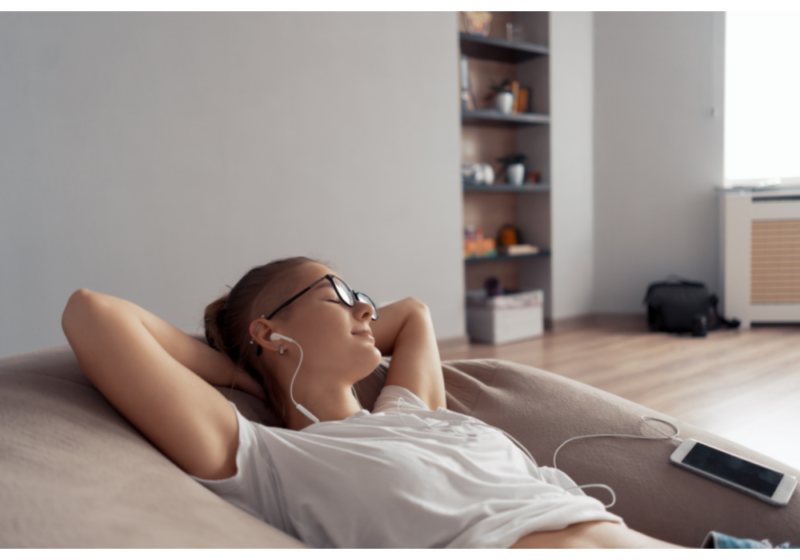
At Flow Wellness, we believe that healing is not just clinical—it’s also deeply personal and emotional. That’s why we incorporate music therapy as a supportive

Learn More About Ketamine Ketamine, originally developed as an anesthetic, has gained significant attention in recent years for its potential in treating mental health conditions,

Chronic pain, a prevalent and often debilitating condition, affects a significant portion of the global population. Traditional pain management techniques have provided relief for many,

What does Ketamine feel like? Everyone has a different experience. Most people describe entering a deeply relaxed state where your perceptions of light, sound, and
How do I take an oral dissolving tablet (ODT)? The stomach breaks down ketamine, so if it is swallowed it will not be as effective.

Optimizing your state-of-mind prior-to & during a ketamine treatment is vital. Many things can have either a positive or negative effect on your session. We