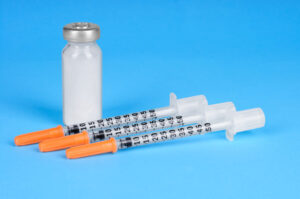
How to Get the Last Drops Of Your GLP-1 or Peptide Out of a Medication Vial
Many injectable medications come in small vials, and it’s common to notice a little medication left behind at the end. Patients often ask whether they can safely access those last drops—and if so, how to do it correctly.
The good news: with proper technique, you can often draw the remaining medication safely and effectively. This guide walks you through exactly how to get the last drops out of a medication vial, step by step, while protecting sterility and accuracy.
Why Medication Gets Left in the Vial
Medication vials are designed to maintain sterility, not to make extraction effortless. A few factors explain why medication remains:
The rubber stopper limits needle movement
Liquid spreads thinly along the glass bottom
Standard needle angles miss shallow pools of medication
This does not mean the medication is unusable. It simply requires the right approach.
Step-by-Step: How to Get the Last Drops Out of a Medication Vial
Want a visual walkthrough? This video from Dr. Jones from Flow Wellness shows each of these steps in action.
1. Start With a Clean Setup
Always wash your hands and clean the vial’s rubber stopper with an alcohol swab. Let it dry fully before inserting the needle. This step protects against contamination and infection.
2. Add Air to the Vial
Pull back the syringe plunger to draw in air. Injecting air into the vial prevents a vacuum from forming and makes it easier to withdraw medication—especially when only a small amount remains.
3. Turn the Vial Upside Down
Flip the vial completely upside down while keeping the needle inside. Gravity helps the remaining medication collect near the needle tip instead of spreading across the glass.
4. Withdraw the Needle Slightly
With the vial still upside down, slowly pull the needle back just a few millimeters so the needle tip sits just past the rubber stopper and inside the vial, not deep in the glass. This step is critical. It allows the needle opening to reach shallow pools of medication that collect near the stopper when the vial is nearly empty.
5. Angle the Needle Toward the Remaining Medication
Gently tilt the vial and syringe together so the remaining liquid flows toward the needle tip. Keep the needle opening submerged in the medication to avoid drawing in air.
6. Pull Back the Plunger Slowly
Draw the medication slowly and steadily. Moving too quickly can pull in air bubbles or cause you to miss small amounts of liquid.
7. Remove Air Bubbles
If air enters the syringe, it’s no problem, just tap it gently to move bubbles to the top. Push the air back into the vial and continue drawing medication until you reach the correct dose.
8. Stop If the Needle No Longer Reaches the Medication
If you cannot access the remaining medication without forcing the needle or bending it, stop. Do not scrape the vial or push the needle against the glass. Safety and dose accuracy matter more than retrieving every last drop.
Common Mistakes to Avoid
When trying to get the last drops out of a medication vial, avoid these common errors:
Reusing needles or syringes
Touching the needle to non-sterile surfaces
Tilting the vial too aggressively and losing control
Forcing medication out at unsafe angles
Using proper injectable medication tips helps reduce waste without increasing risk.
Is It Always Safe to Use the Last Drops?
In many cases, yes—but only when:
The vial has been stored correctly
You maintain sterile technique
The dose remains accurate
- You’re using the medicine within 28 days of opening the vial
If the remaining amount does not equal your prescribed dose, do not guess. Accuracy matters just as much as efficiency.
When to Ask Your Provider
You should contact your care team if:
You are consistently short on doses
You are unsure whether a partial dose is appropriate
You feel unsure about proper injection technique
At Flow Wellness, we would rather answer a quick question than have you feel uncertain or unsafe.
Part of Personalized, Thoughtful Care
Learning how to get the last drops out of a medication vial can help reduce waste and support consistency. Clean technique, slow movements, and proper needle positioning make all the difference. And, you’ll get better at is over time.
If you ever feel unsure, your Flow Wellness care team is here to guide you. Confident medication use is part of personalized, thoughtful care—and you don’t have to figure it out alone.

Updated June 2026
Reviewe by Dr. Kevin Jones, MD
Board Certified in Obesity Medicine
Flow Wellness
Frequently Asked Questions About Getting the Last Drops From a Medication Vial
Why does it seem like medication is left in my vial?
Many patients notice a small amount of medication remaining in the vial after drawing up their prescribed doses. This can occur because medication may cling to the sides of the vial, remain in the stopper area, or be difficult to access with a syringe. Flow Wellness helps patients understand proper injection techniques to maximize the medication available in each vial.
Can I use the very last drop of medication in my vial?
In many cases, yes. If the medication can be safely drawn into the syringe and you can accurately measure the dose, it may be used according to your provider’s instructions. Flow Wellness recommends following proper sterile technique and contacting your provider if you have questions about dosing accuracy.
Why do I sometimes have extra medication left over?
Small variations in pharmacy filling processes, syringe measurements, and dosing schedules can occasionally result in a small amount of extra medication. Flow Wellness advises patients to continue following their prescribed dosing schedule rather than changing doses based on leftover medication.
Is it normal to have less medication than expected?
A small amount of medication can remain trapped in the vial or syringe during normal use. If you believe your vial contains significantly less medication than expected, contact your pharmacy or the Flow Wellness clinical team for guidance.
How can I get medication from the bottom of the vial?
Many patients find it helpful to gently tilt the vial while keeping the needle tip submerged in the liquid. This can make it easier to draw medication when only a small amount remains. Flow Wellness can demonstrate proper medication-drawing techniques during your visit.
Should I inject air into the vial before drawing medication?
For multi-dose vials, injecting an equal amount of air before withdrawing medication can help maintain pressure and make drawing medication easier. Flow Wellness provides individualized instructions based on the specific medication and vial type prescribed.
Can I combine leftover medication from multiple vials?
Patients should not combine medication from different vials unless specifically instructed by their healthcare provider. Flow Wellness recommends maintaining proper sterile technique and consulting your provider before combining any medications.
Why does medication sometimes get stuck in the syringe?
Small air bubbles, needle positioning, or medication viscosity can make it difficult to draw every drop. Flow Wellness encourages patients to review injection technique with their provider if they consistently have trouble withdrawing medication.
Can I use a different syringe to get the last drops?
Different syringe sizes may make it easier to draw small amounts of medication, but patients should only use supplies recommended by their healthcare provider. Flow Wellness provides guidance on selecting the appropriate syringe for your prescribed treatment.
How long can I keep an opened medication vial?
The recommended timeframe varies by medication and pharmacy instructions. Patients should always follow the expiration date and beyond-use date provided with their prescription. Flow Wellness recommends discarding medication that is expired or appears contaminated.
Is it okay to use medication if there are air bubbles in the syringe?
Small air bubbles are generally common and can often be removed before injection. Flow Wellness teaches patients how to safely remove air bubbles and accurately measure their medication before administration.
What should I do if I cannot get my full dose from the vial?
If you are unable to withdraw your prescribed dose, contact your healthcare provider or pharmacy for guidance. Flow Wellness patients can reach out to our clinical team to discuss next steps and determine whether additional medication is needed.
Why do compounded medication vials sometimes look different?
Different licensed compounding pharmacies may use different vial sizes, labels, concentrations, or preservatives. Flow Wellness reviews medication instructions with patients whenever pharmacy formulations or packaging change.
Can Flow Wellness help me learn proper injection technique?
Yes. Flow Wellness providers regularly help patients understand medication preparation, injection technique, dosing, and safe handling practices. Our goal is to help patients feel comfortable and confident with every injection.
How can I avoid wasting medication?
Using the correct syringe, maintaining sterile technique, keeping the needle tip below the liquid level, and carefully following dosing instructions can help reduce waste. Flow Wellness provides ongoing support to help patients get the most from their prescribed medications while maintaining safety and accuracy.
What should I do if I am unsure whether there is enough medication left for my next dose?
If you are uncertain whether the remaining medication will provide a full dose, contact Flow Wellness before making adjustments. Our team can review your prescription, concentration, and dosing schedule to help determine the safest approach.
Related Resources
Dr. Kevin Jones on GLP-1s: What Every Patient Should Know Before Starting
When it comes to GLP-1 medications, the questions people ask most often aren’t about the science — they’re about what it’s actually like. What does

Is a Peptide a Steroid?
No. Peptides are not steroids. Peptides and steroids are completely different types of compounds, even though both are commonly used in wellness, recovery, performance, and

How Many Units Is 2.5 mg of Tirzepatide?
Let’s be honest—GLP-1 shots like tirzepatide can do great things for your health, but figuring out your dose can be confusing.Your vial says milligrams (mg),